1959
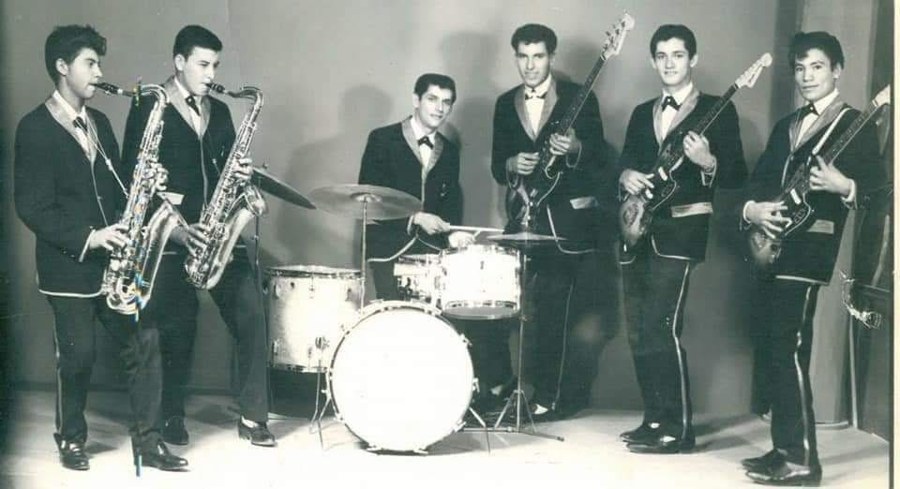
Arturo Durazo (guitar) and his brother Francisco "Pancho" Durazo (drums) start a band in Agua Prieta, Sonora, joined almost immediately by saxophonist José Luis "Lichy" García. Their first paid gig: a neighborhood girl's quinceañera, for six dollars.
Nov. 1959
Local radio announcer Ricardo Rivas suggests the name "Los Apson Boys" — AP for Agua Prieta, SON for Sonora. The band takes the name and starts widening its circuit to Naco, Cananea, Nogales, and Hermosillo.
c. 1960
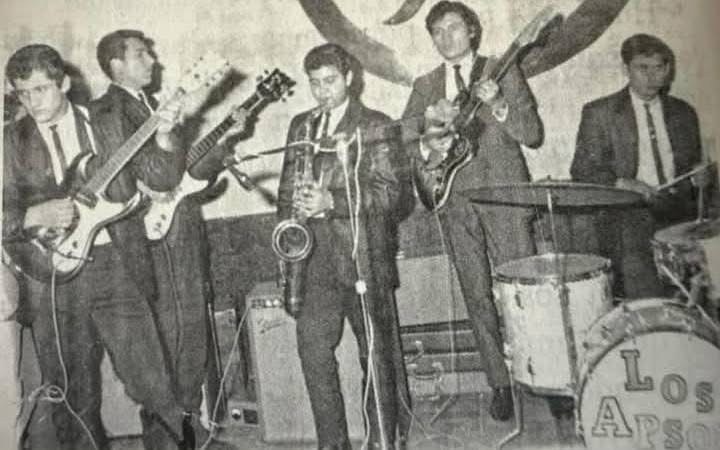
Gigs multiply around the region — sets at the Silver Dollar cantina and the Copacabana, then a dance in Cananea for visiting students from Hermosillo, then the Club Social Ánahuac. Bassist Raúl Hernández Cota shortens his name to Raúl Cota and picks up the nickname "El Cubano" after a regular says he reminds him of a Cuban friend. Agua Prieta radio station F.H. gives the band its own weekly hour-long program.
1961
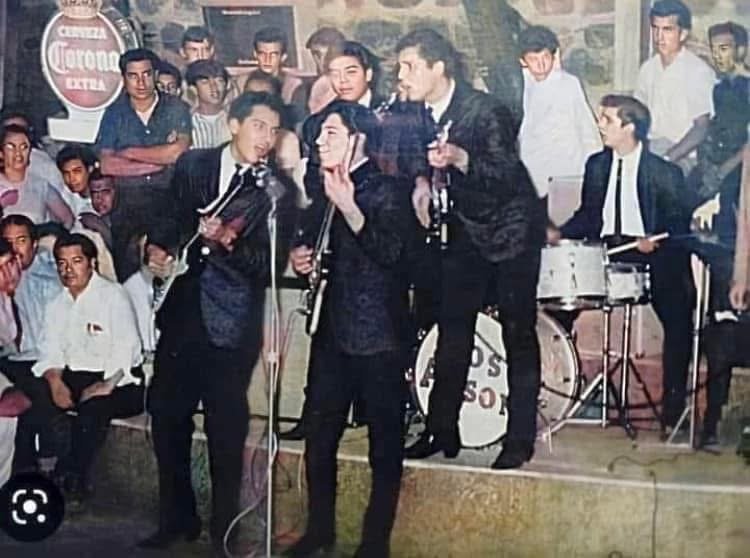
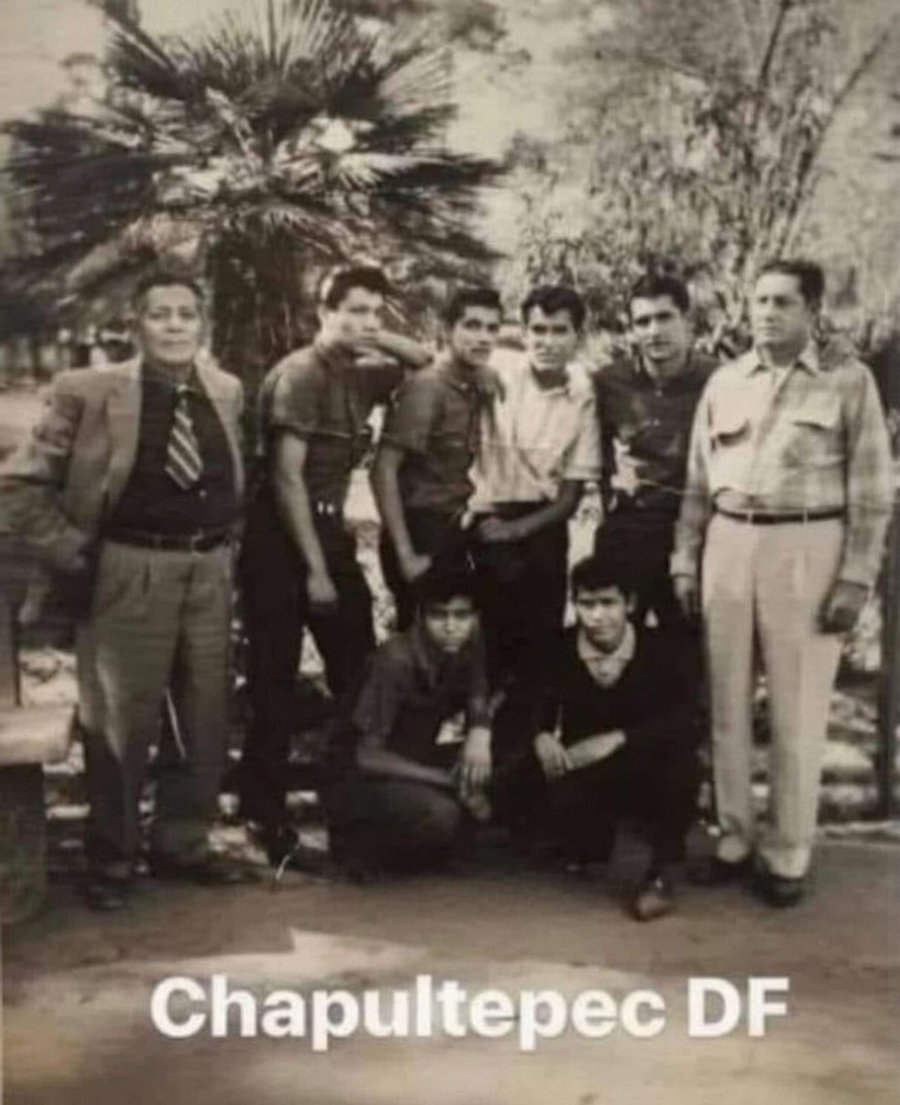
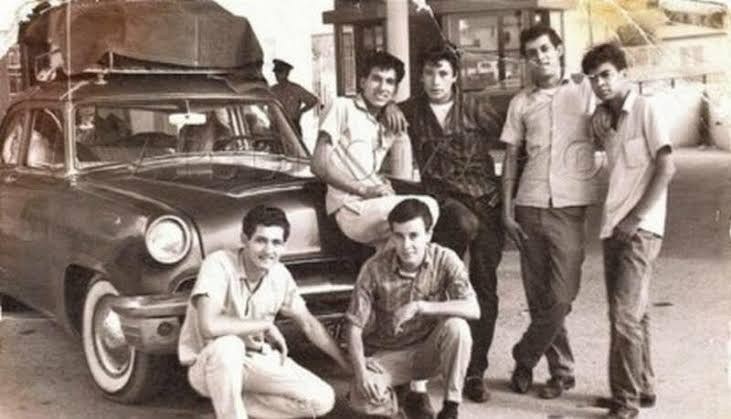
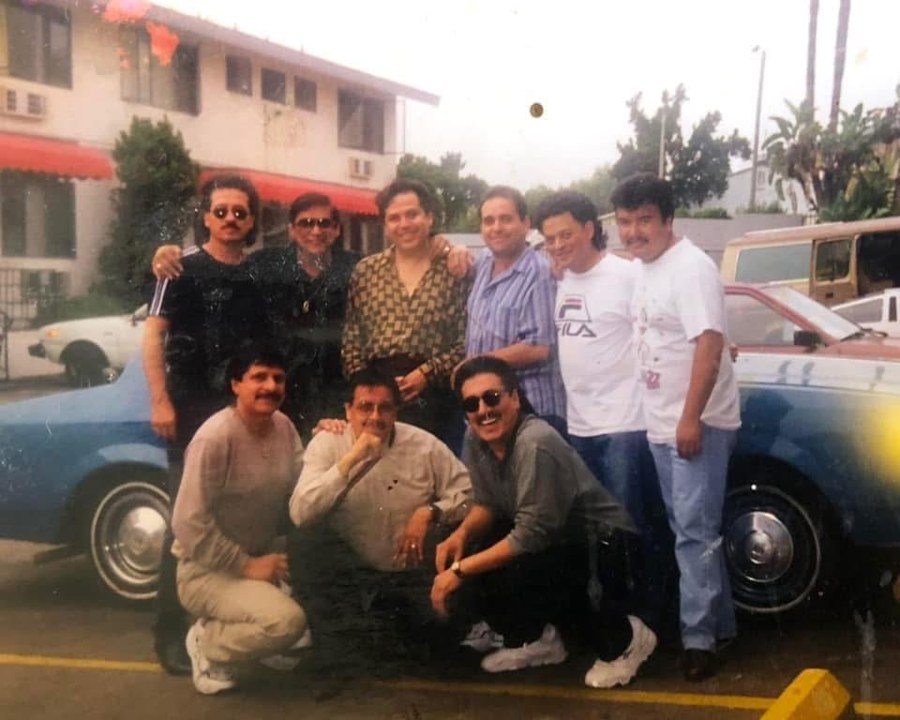
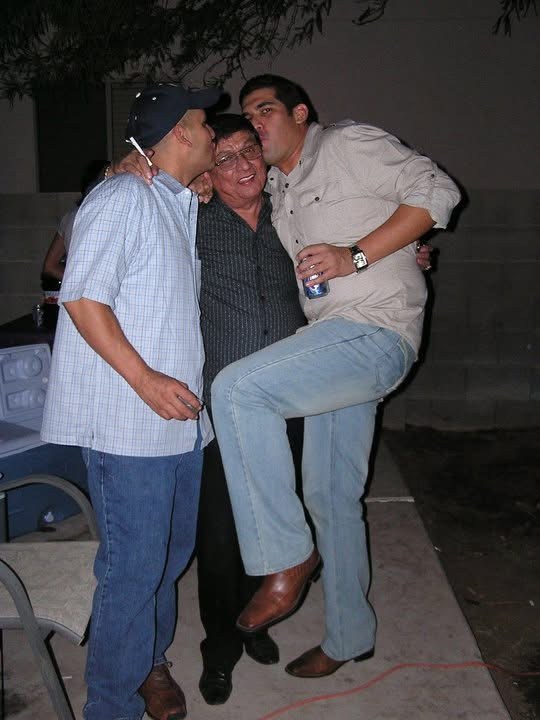
The touring Caravana Corona show passes through Agua Prieta. Los Rogers' singer César Cervera catches a Los Apson set and urges them to try their luck in Mexico City. The band piles into a car and sets off on a rough, multi-stop road trip toward the capital. Eduardo Durazo, father of Pancho and Arturo, appears in this photo — after the band struggled to find a way to Mexico City, it was Eduardo who helped them make the trip.
1961
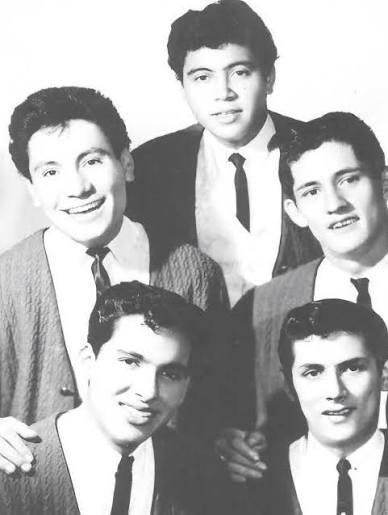
García exits the group temporarily; Gilberto "Gil" Maldonado steps in on sax. En route to Mexico City, passing through Culiacán, the band discovers a teenage singer named Leopoldo "Polo" Sánchez Labastida, whose voice completes the classic lineup.
1963
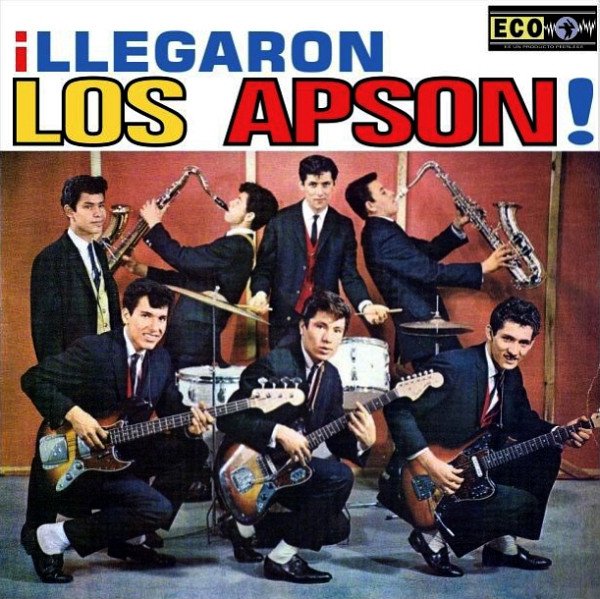
Their first LP, Llegaron Los Apson — all instrumental — barely registers.
1963
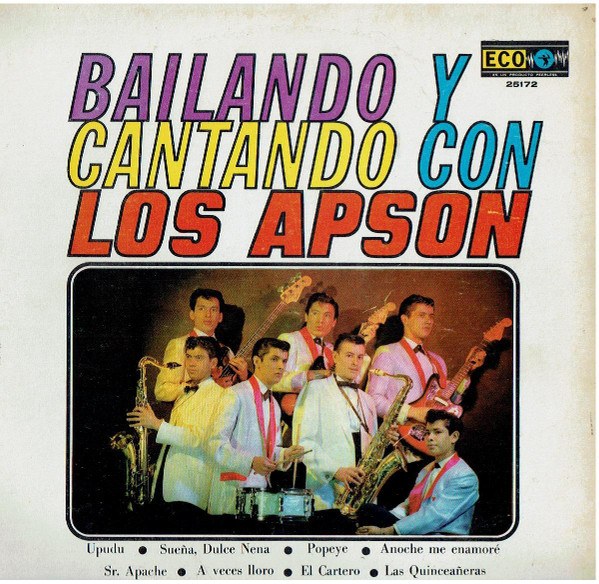
The second LP, Bailando y Cantando con Los Apson, lands with "Popeye" and turns the band into a national sensation almost overnight.
1964
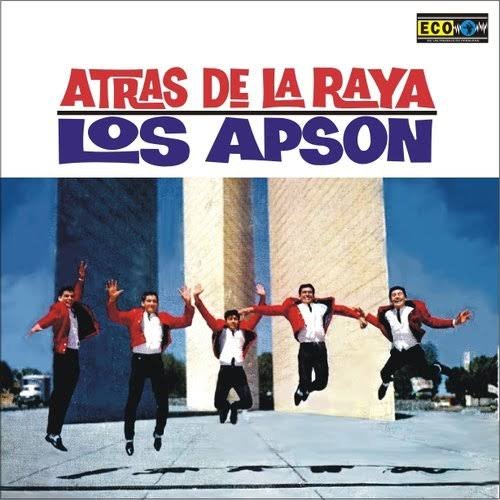
Atrás de la Raya is the first of three LPs the band releases this year, riding the momentum from "Popeye."
1964
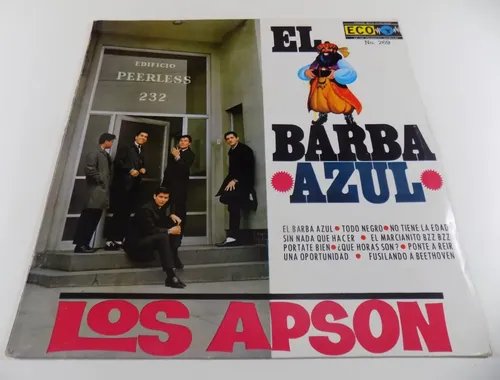
El Barba Azul and Aleluya round out the year and cement Los Apson as Mexico's top rock group. Polo leaves the band this same year to try a solo career.
1965
Discos Peerless awards the band a Gold Record.
1965
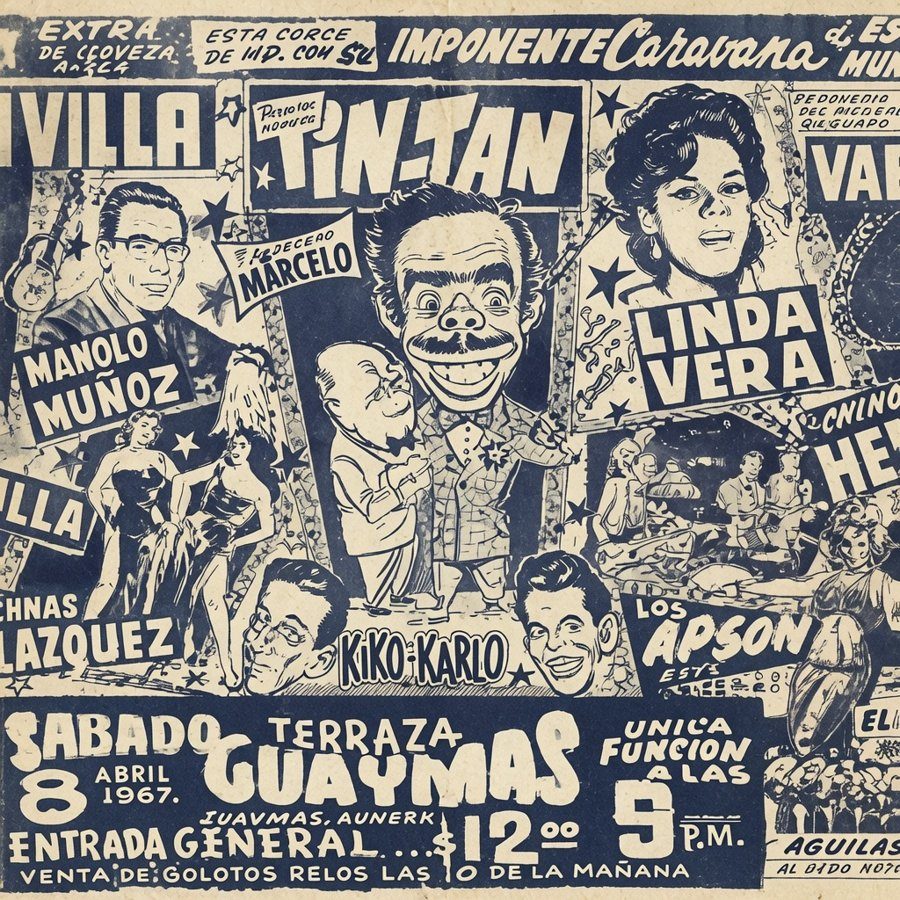
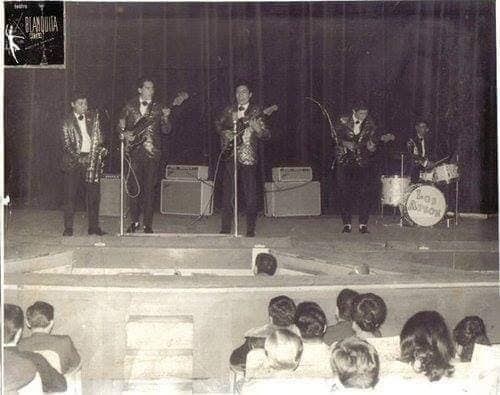
From 1965 to 1970, Los Apson tours Mexico with the legendary Caravana Corona, led by promoter Guillermo Vallejo — criss-crossing the country night after night as one of the tour's headline acts.
1966
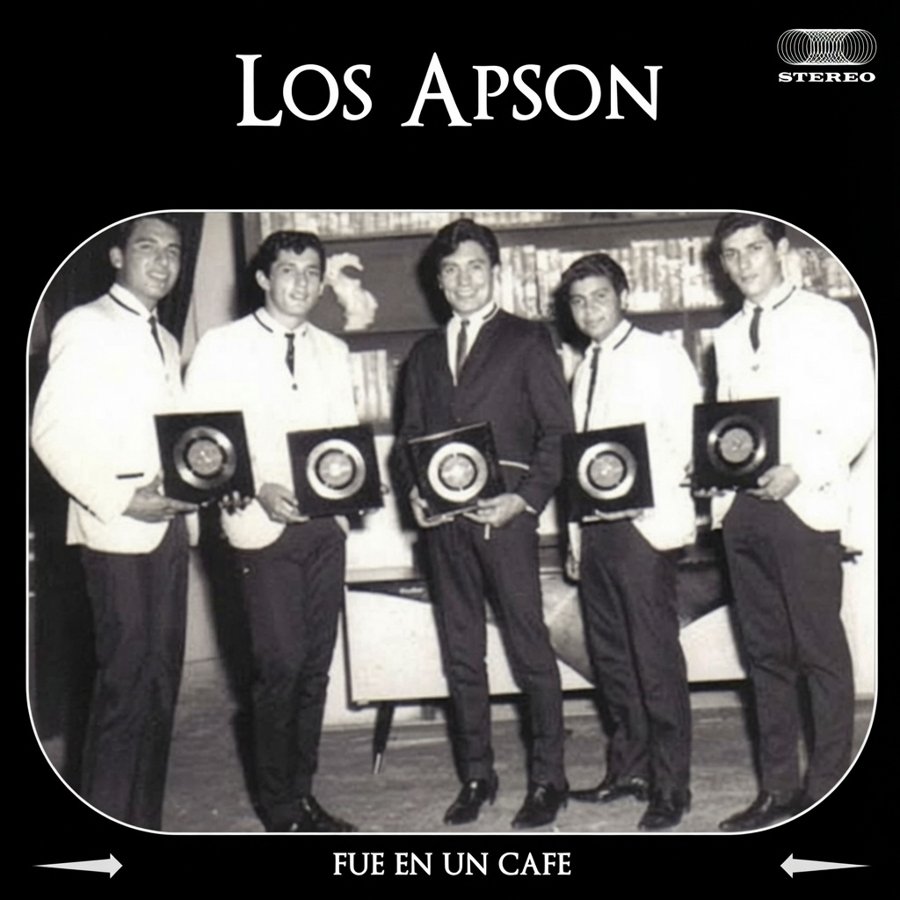
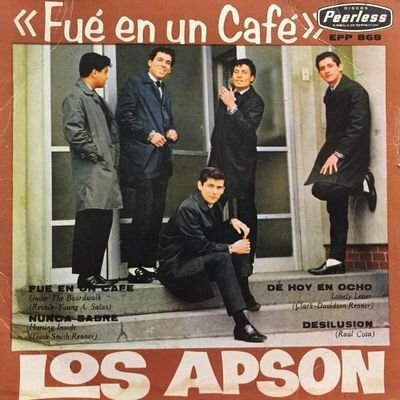
"Fue en un Café," their Spanish take on "Under the Boardwalk," becomes an enduring classic. "Fuiste a Acapulco" tops the national charts for six weeks — arguably the band's biggest hit ever.
1966–67
"Fuiste a Acapulco" tops the national charts for six weeks, joined by hits like "A la Media Noche," "Cuando Era un Jovencito," and "El Fin del Mundo" — plus beloved covers of the Beatles' "And I Love Her" and the bluegrass standard "Cotton Fields." Crowds get so big at their shows that police and fire crews are sometimes called in just to help manage the fans.
1966–69
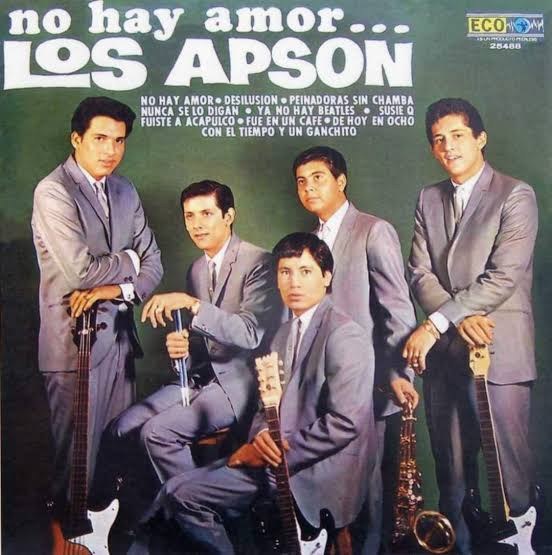
Four more studio albums for Peerless — No Hay Amor, El Arado, En Ritmo, El Compadre Vacilador — bring the total to eleven records in seven years, an output few Mexican rock bands of the era could match.
1975
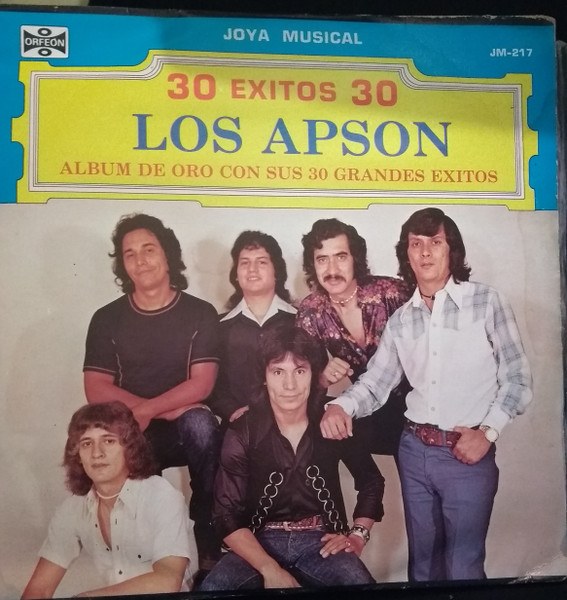
With the Caravana Corona years behind them, the Durazo brothers reunite with Frankie Gámez and a new lineup to record for label Orfeón. Around this time, Carlos Santana calls Los Apson one of the most important bands to come out of Mexico, and Paul McCartney singles out bassist Raúl Cota by name.
1976
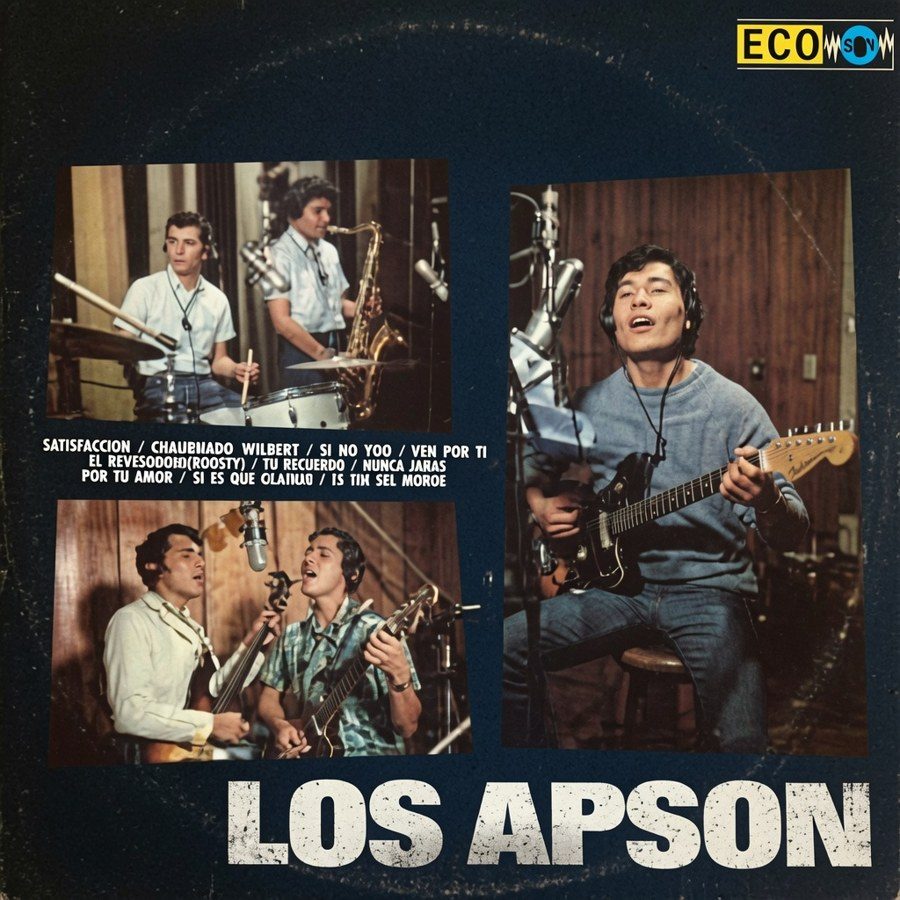
Inside the studio for the Orfeón sessions — three LPs' worth of Los Apson, recorded with the new lineup.
Late 1970s
Los Apson stays on the road, running an eight-month tour through Sonora, Chihuahua, and Baja California — still packing venues more than a decade after "Popeye" first broke.
1980
The band joins forces with fellow Agua Prieta group Acuario to form "Los Acuarson," landing bookings in Las Vegas and across California — taking the Apson sound north of the border.
1984
Co-founder Arturo Durazo passes away from complications of cancer. A reunion attempt this same year keeps the band's name alive a little longer. His brother Pancho carries the legacy forward.
1990s
Founding members Pancho Durazo and José Luis García reunite with a new lineup and bring Los Apson back to the stage for good.
1992
The reunited band keeps performing through the decade, out of the studio and back where they started — on stage.
1994–99
Los Apson tours all across the United States and Mexico, playing for a generation that grew up on their records and a new one discovering them live.
2001
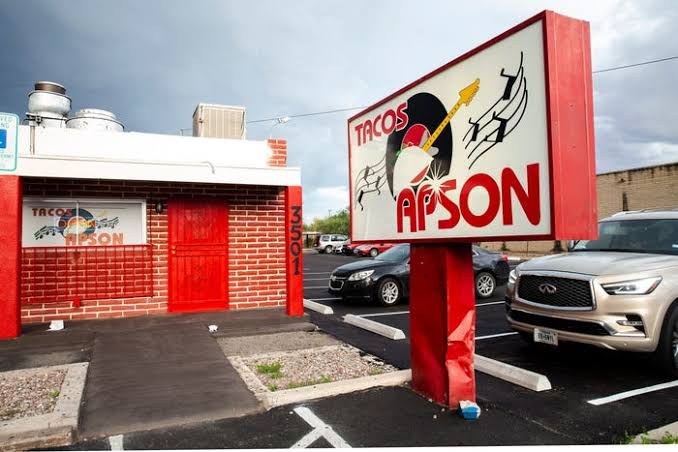
Pancho's son, Francisco Durazo Jr., opens Tacos Apson in Tucson — named for his father's band. The walls inside are still covered in photos from those years.
2002–12
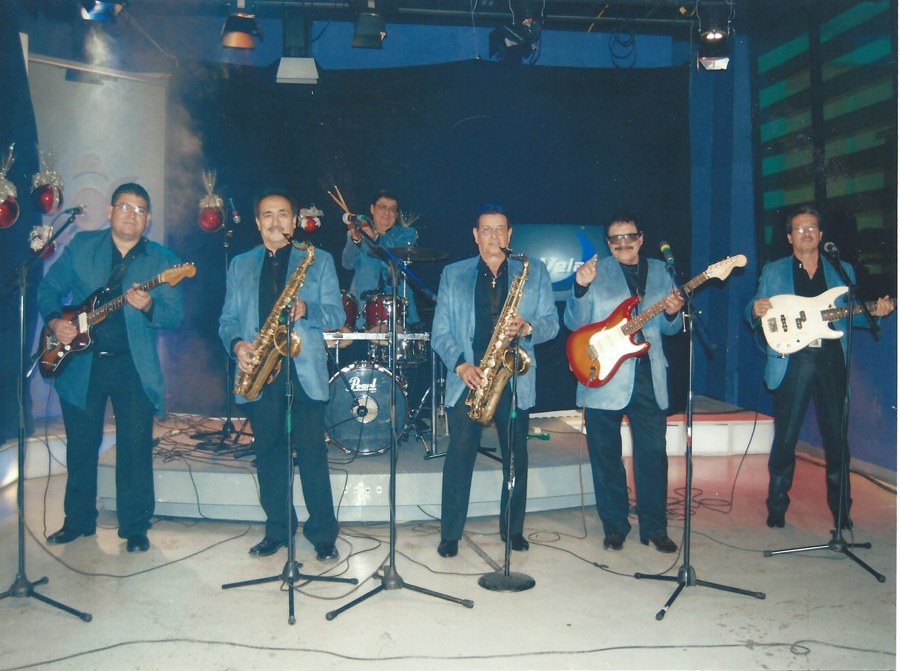
Los Apson keeps touring with new members, still playing television specials and stages across Mexico and the U.S.
May 6, 2012
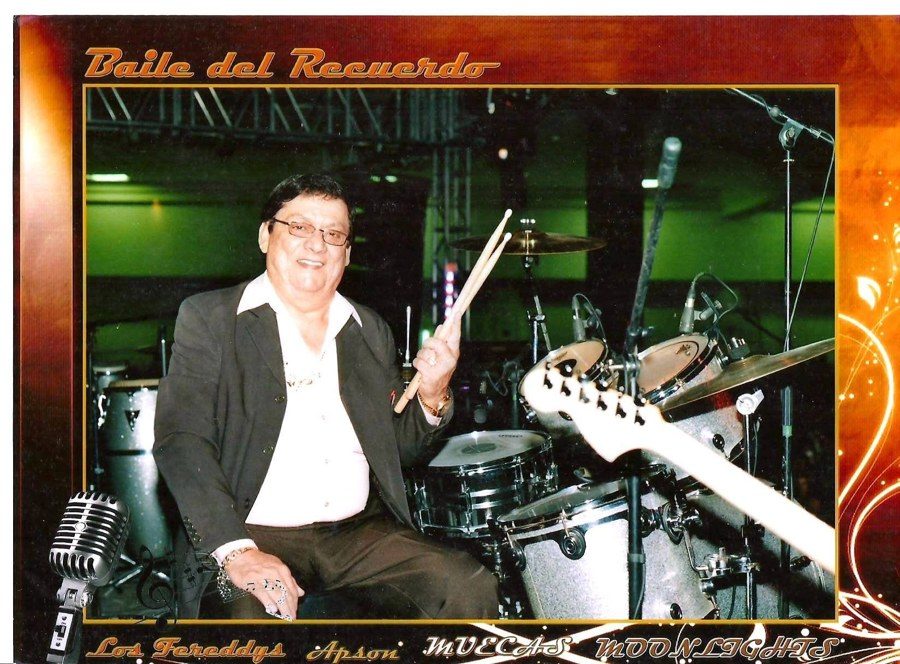
Pancho Durazo passes away at home in Agua Prieta. Decades earlier, he and his brother picked up a guitar and a pair of drumsticks and gave their hometown a sound of its own. That sound never stopped playing.
Today
Los Apson still plays, still tours Mexico and the U.S., and still opens with the same songs that filled a radio station in Agua Prieta back in 1959. Every show carries Pancho and Arturo's names forward — two brothers who picked up a guitar and a pair of drumsticks and built something that outlived them both. Their family is still building on it, one record and one plate of tacos at a time.